Bridal Saree
Collection
For the woman at the centre of it all
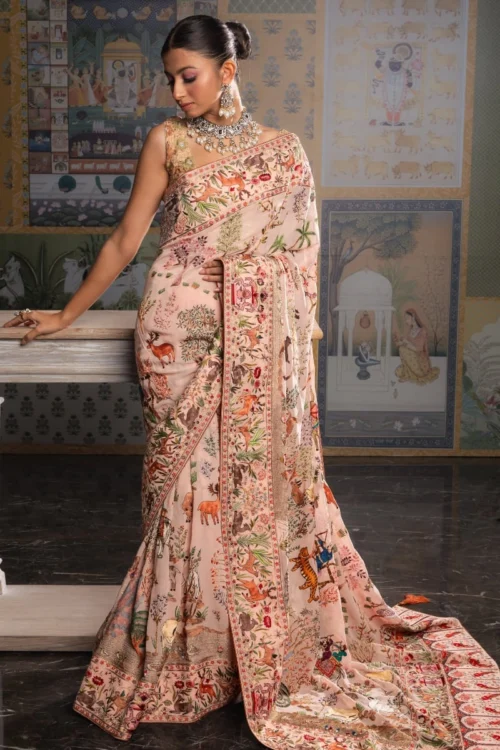
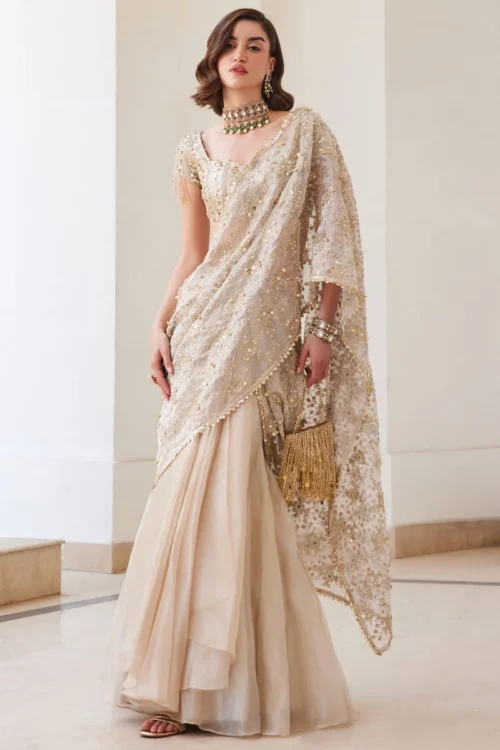
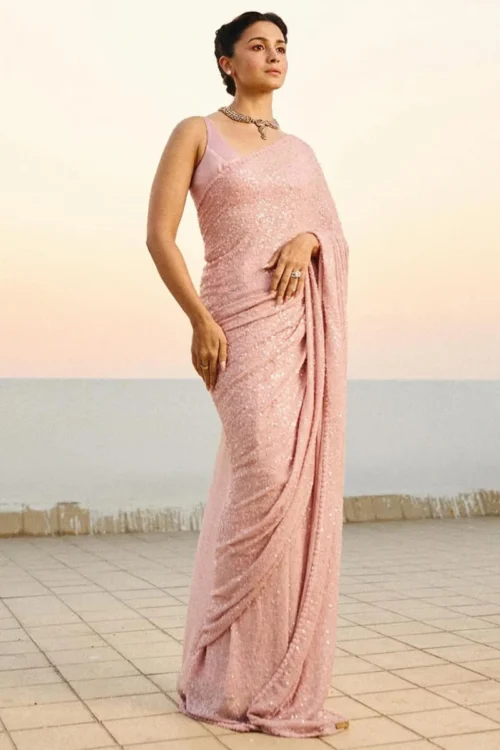
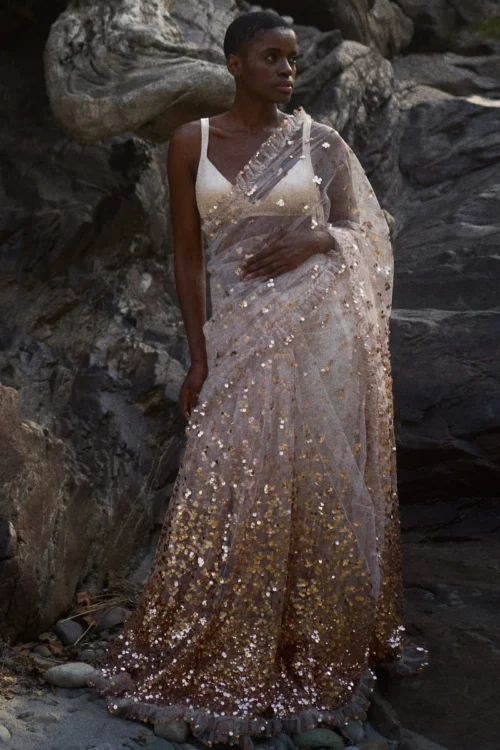
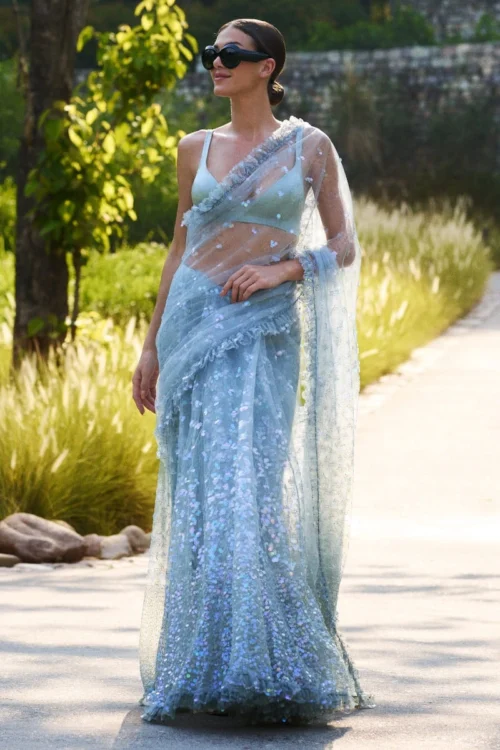
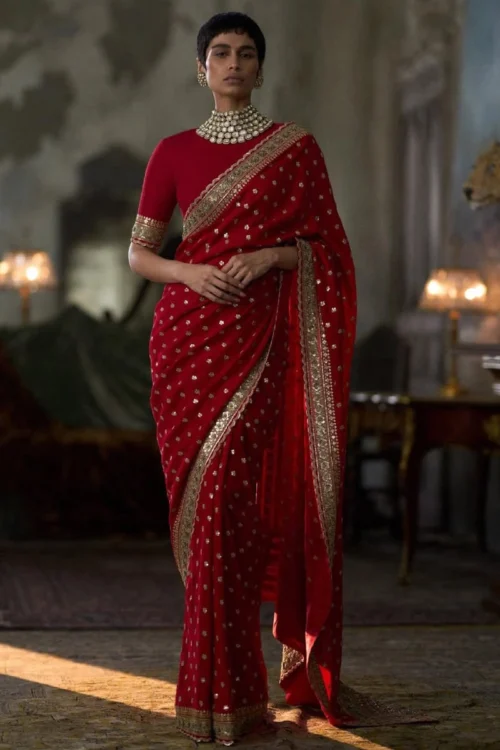
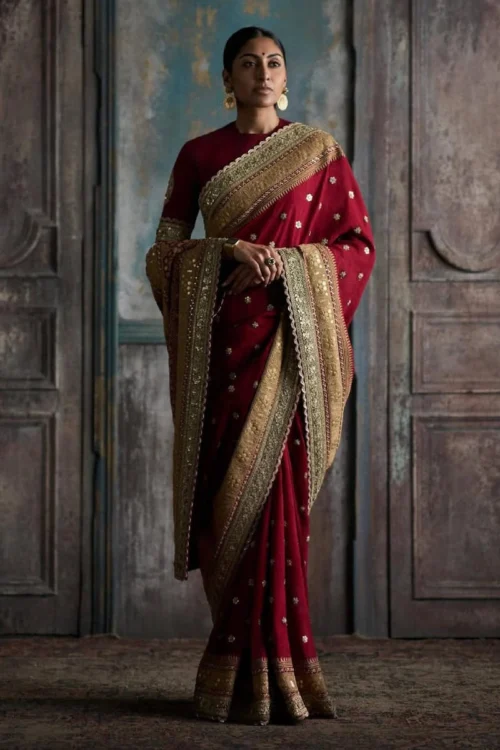
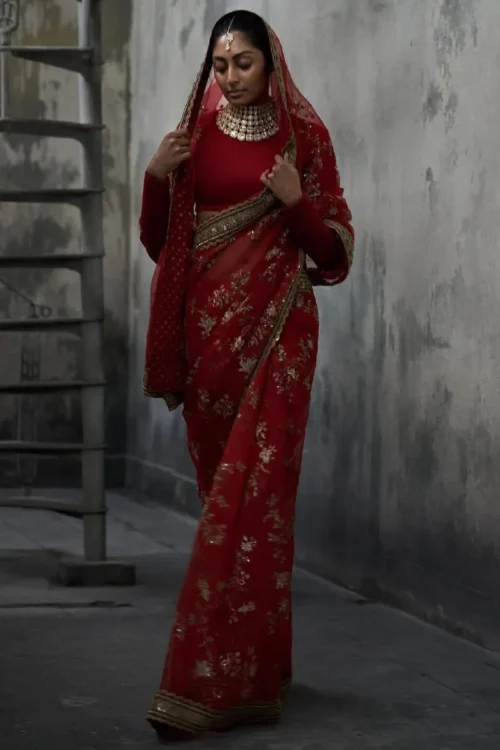
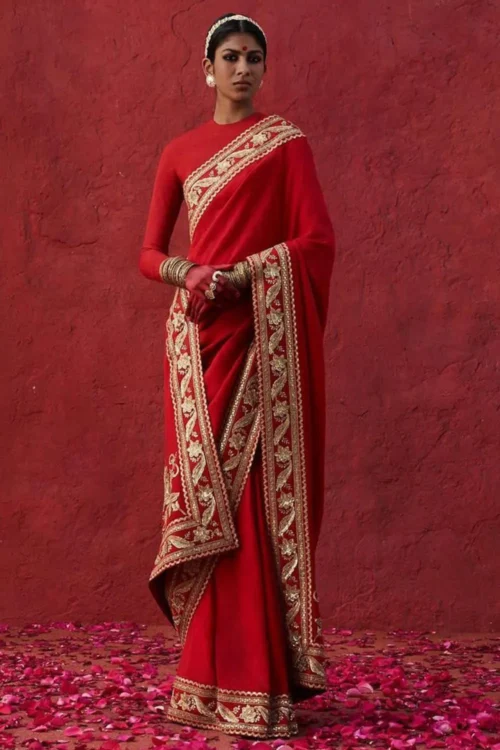
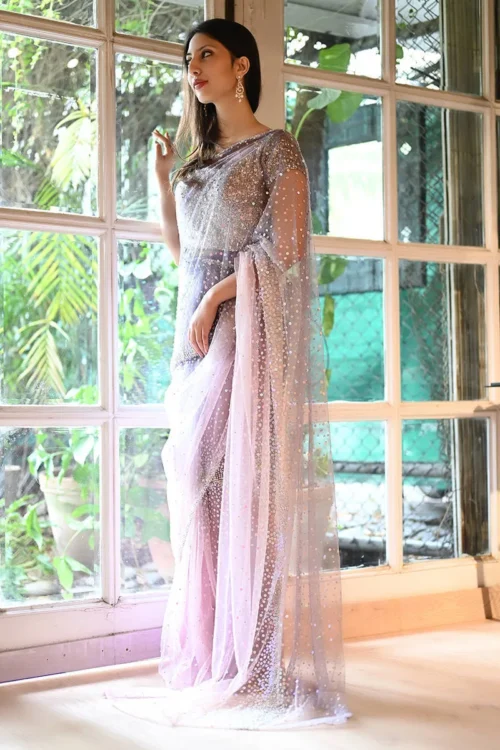
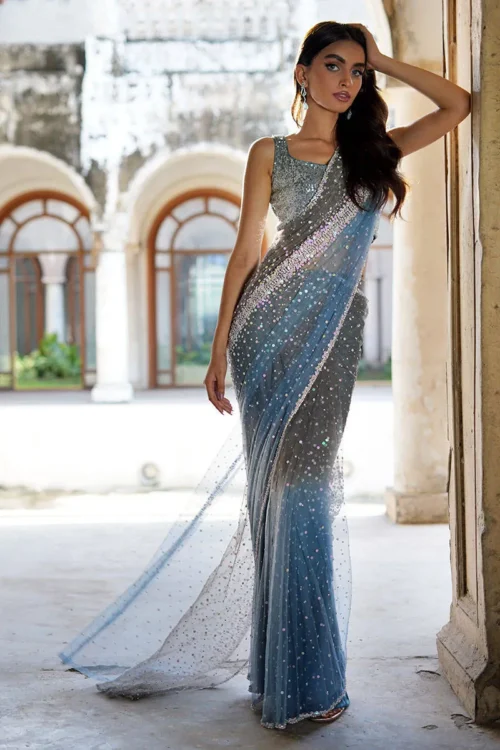
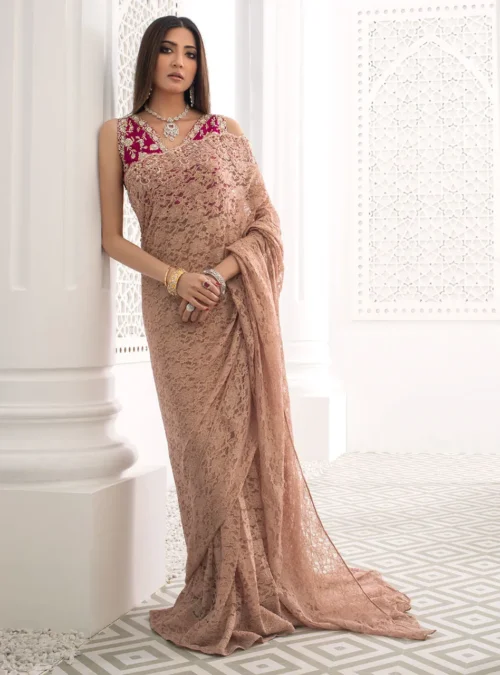
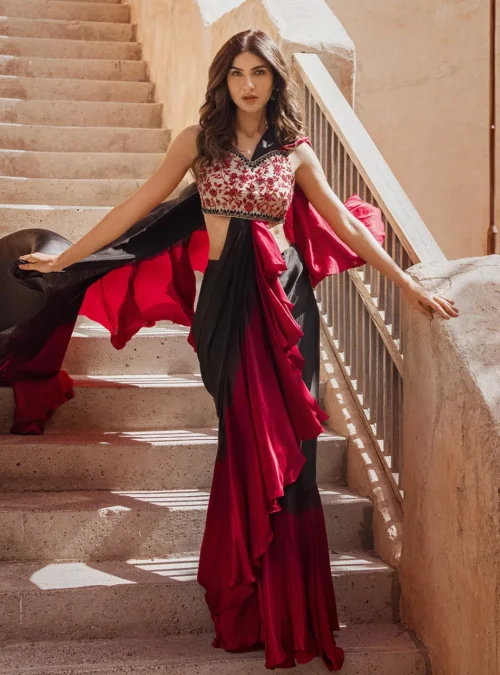
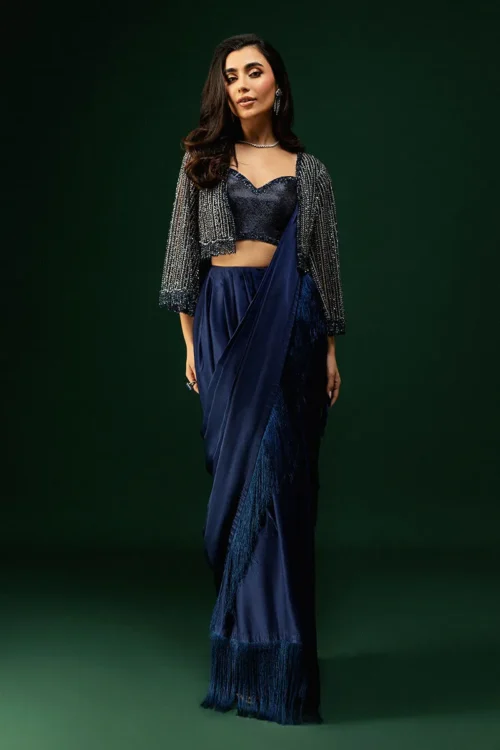
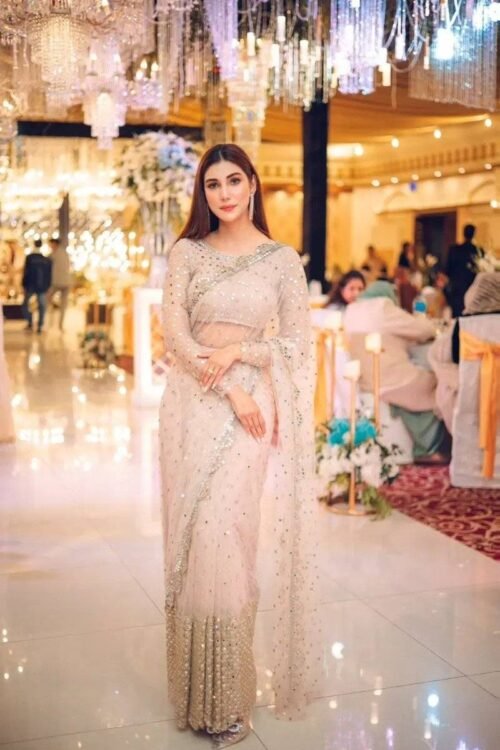
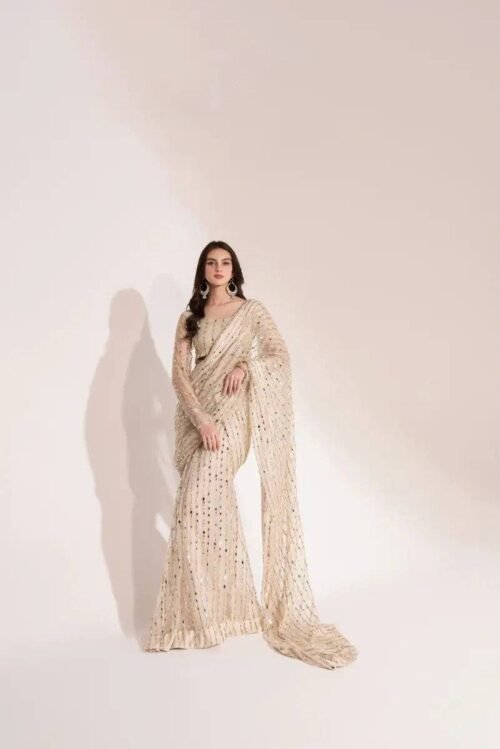
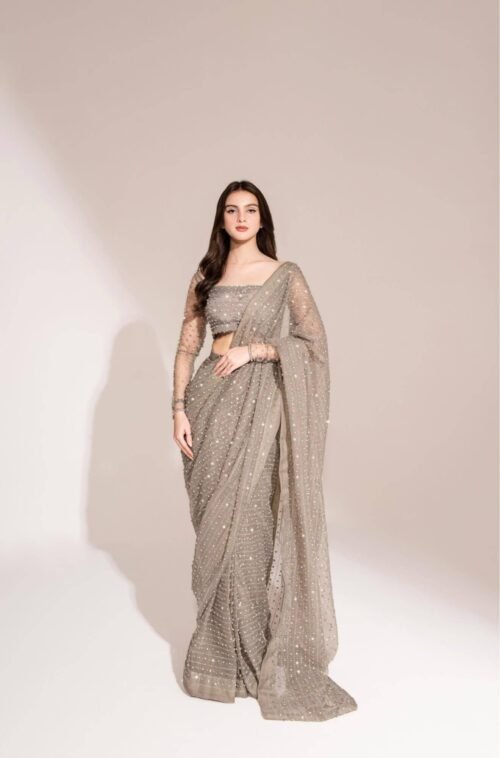
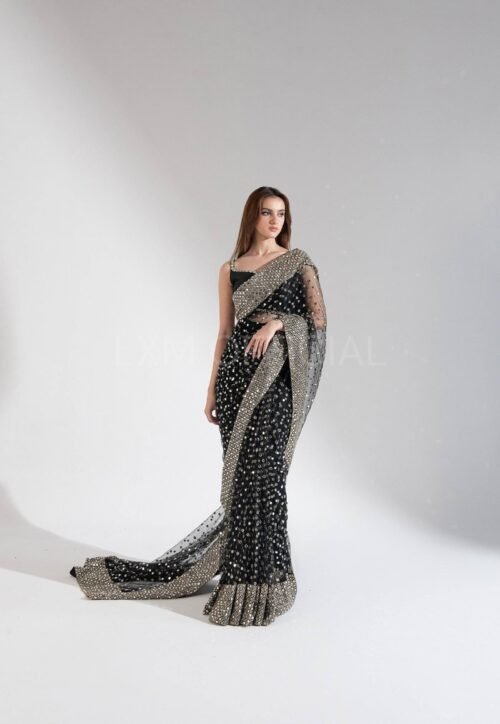
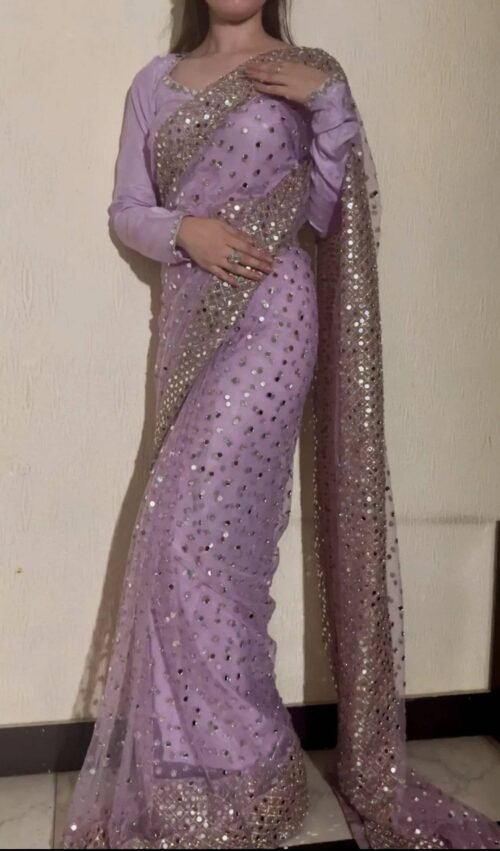
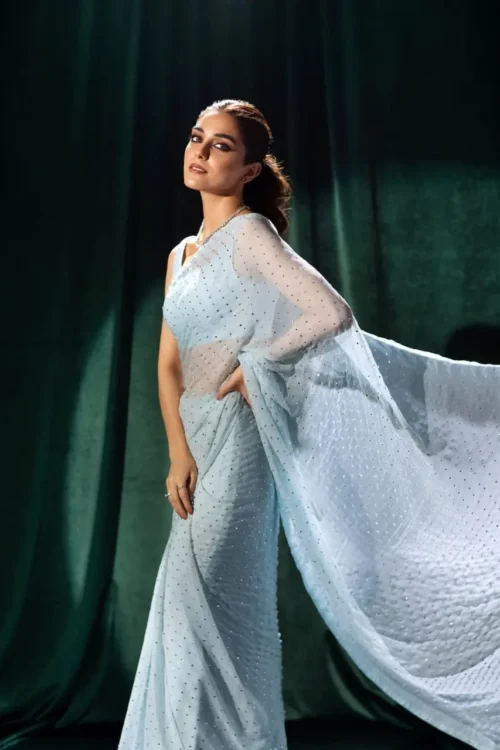
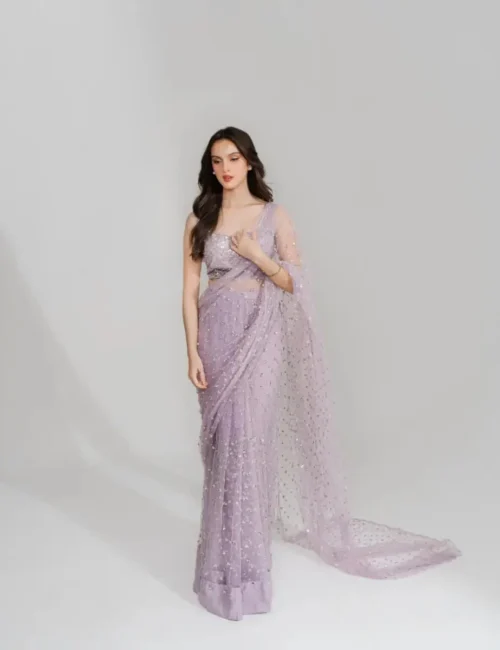
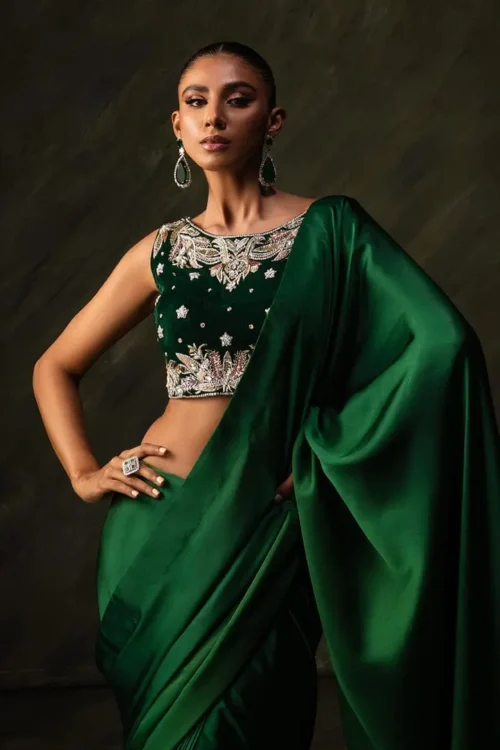
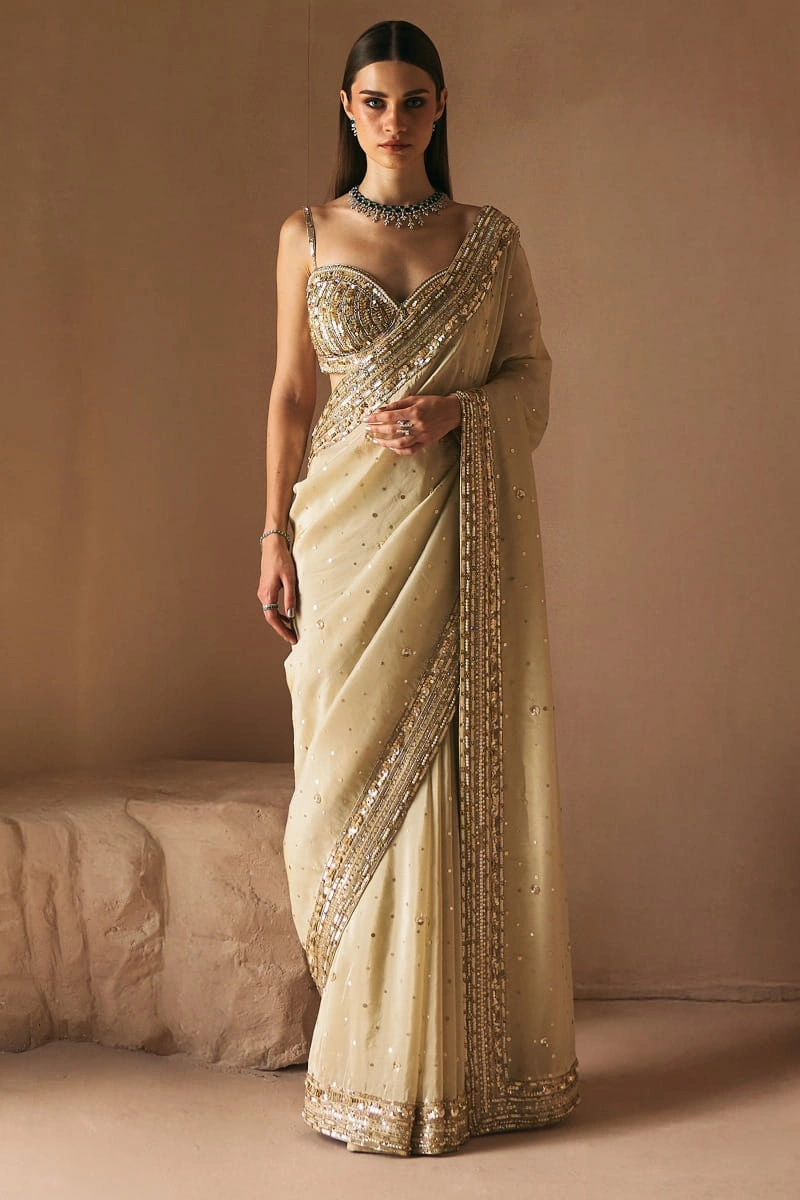
At Hammad Bespoke Official, the bridal saree is the one piece you will photograph for the rest of your life. Ours are crafted in Katan silk, Banarasi silk, and pure organza — with Zardozi borders, Gota work, and Zari motifs finished by hand before every piece ships. Each run is kept deliberately small. The collection serves Pakistani brides across the UK, USA, and Pakistan dressing for walima ceremonies, barat receptions, and nikkah occasions where the choice of saree carries the weight of the day. Explore the full saree collection if you are looking for a wedding saree made with the embroidery and craft the occasion deserves — this bridal edit is where the heaviest, most photographed pieces live.
The Collection
Bridal Saree & Wedding Saree Collection
-
Sitara Tissue
$835 -

Naseem Haze
$2,565 -

Zeher-e-Noor
$740 -

Chamak Rose
$2,386 -

Rose Gold Organza Saree Set
$1,084 -

Firoza
$1,084 -

Zafran Saree
$1,309 -

Kiran Laali
$2,067 -

Surkh Noor
$1,691 -

Laal Nazm
$912 -

GLIMMER2-FH
$596Original price was: $596.$344Current price is: $344. -

GLIMMER-FH
$596Original price was: $596.$344Current price is: $344. -

AURAIA
$579Original price was: $579.$309Current price is: $309. -

AMARA
$474Original price was: $474.$277Current price is: $277. -

RANIYA
$649Original price was: $649.$309Current price is: $309. -

SAREKA
$649Original price was: $649.$386Current price is: $386. -

OPANLINE
$239Original price was: $239.$158Current price is: $158. -

PARI
$263Original price was: $263.$196Current price is: $196. -

LIYANA
$274Original price was: $274.$204Current price is: $204. -

MEHRY
$263Original price was: $263.$196Current price is: $196. -

RASHMI
$309Original price was: $309.$228Current price is: $228. -

RUHANI
$228 -

NOOR
$263Original price was: $263.$228Current price is: $228. -

SITARA
$558Original price was: $558.$333Current price is: $333. -

LAVGLAM
$263Original price was: $263.$228Current price is: $228. -

KOVA
$526Original price was: $526.$439Current price is: $439. -

NUR
$386Original price was: $386.$235Current price is: $235. -

LASEE
$240Original price was: $240.$137Current price is: $137. -

PRIMSA
$277Original price was: $277.$204Current price is: $204. -

AUBREY
$333Original price was: $333.$211Current price is: $211.
The Buying Guide
Everything You Need to Know Before You Buy
A bridal saree is a heavily embellished draped garment worn by South Asian brides — crafted in Katan silk, Banarasi silk, or organza and finished with Zardozi borders, Gota work, or Zari embroidery for walima, barat, and nikkah occasions.
When to Wear One
Occasions for a Wedding Saree
- Walima — Katan silk with Zardozi borders, for the reception that gets photographed most
- Barat — Banarasi silk with heavy Gota work, for brides who choose a saree over a lehenga on their wedding night
- Nikkah — tissue silk or organza with Zari borders, formal without the full weight of barat embroidery
- Rukhsati — Katan silk finished with Zardozi detailing, the piece you wear as you leave and keep for years
- Mehndi — tissue silk with light Resham threadwork, for presence without the heaviness of Zardozi
- Formal reception in London, New York, or anywhere the family gathers
Fabric Guide
Choosing the Right Fabric
Color is as much a decision as fabric. A red bridal saree remains the most requested shade for barat, carrying the ceremonial weight brides want on the wedding night, while a white bridal saree has become the preferred choice for nikkah and daytime receptions where a lighter, modern palette suits the setting better.
Closely woven pure silk with a structured fall. It holds the weight of Zardozi and Zari work without the drape pulling — which is exactly what you need when you will be wearing it through an entire walima evening.
Heavy brocade with gold and silver Zari woven directly into the cloth — the pattern is part of the fabric, not added on top. This is the classic banarasi saree for wedding functions and one of our most requested marriage silk saree options — the right choice when you want the heaviest traditional look for barat or nikkah.
Sheer and slightly lustrous — tissue catches light without the heaviness of a full brocade. It moves when you move. For a mehndi evening or an afternoon nikkah, this is the one that doesn't tire you out by sunset.
Sheer but structured — organza has enough body to hold scattered Kaamdani or Zari work without sagging between embroidered sections. For evening receptions and walima occasions where you want lightness without losing formality.
Fabric Comparison at a Glance
| Fabric | Weight | Best Occasion | Embroidery |
|---|---|---|---|
| Katan Silk | Medium-heavy, structured | Walima, formal reception | Zardozi, Zari, Resham |
| Banarasi Silk | Heavy, brocade weave | Barat, nikkah ceremony | Gota, heavy Zari, Resham |
| Tissue Silk | Light, luminous | Mehndi, afternoon functions | Dabka, delicate Resham |
| Pure Organza | Sheer, holds shape | Evening reception, walima | Kaamdani, scattered Zari |
For technical detail on how silk weave affects drape and embroidery load-bearing, Wikipedia's overview of the Banarasi sari tradition covers the weaving and fabric properties in depth.
Embroidery Guide
Embroidery Styles — What to Know
Gold and silver metallic thread worked directly into the fabric by hand — the finished border is raised slightly, which is how you know it is done properly. Zardozi on Katan silk photographs well under warm reception lighting. It is the heaviest embroidery we use, and it shows.
Woven metallic ribbon, cut and applied by hand in floral or geometric patterns. The effect is bright and clean — it catches light differently than threadwork does. On Banarasi or tissue, where the base fabric already carries weight, Gota adds brilliance without making the piece unwearable.
Fine metallic thread — either woven into the base cloth or embroidered along the border and pallu. A Zari border is how you tell a bride's piece apart from an occasion saree worn by a guest. It runs through walima pieces, nikkah pieces, and everything formal in between.
Pure silk thread in colour — used for floral motifs, scrolling patterns, and detailed pallu work. Resham has a softness that metallic embroidery doesn't. If you are wearing the saree for a longer occasion — a full wedding day rather than just the evening — Resham keeps the piece comfortable without sacrificing the finish.
For a shaadi — whether a walima reception, barat, or nikkah — the embroidery choice follows the occasion:
- Walima and barat (evening, formal) — Zardozi borders, Gota work, or woven Zari
- Nikkah (formal, shorter) — Zari borders with Resham infill, or Kaamdani
- Mehndi (lighter, afternoon) — Dabka work or delicate Resham embroidery
How to Choose the Right One
Once you've narrowed things down to Katan silk or Banarasi silk, there are four more things worth settling before you decide on embroidery:
- Occasion length — barat and walima evenings call for a heavier fabric; mehndi and nikkah suit a lighter drape
- Venue lighting — Zardozi borders and Zari embroidery read best under warm indoor reception light
- Draping support — a heavy saree pairs with a well-fitted blouse and petticoat for a drape that stays in place
- Embroidery weight — Resham and Zari for a full day; Zardozi and Gota when the occasion is shorter
What fabric drapes best for a barat or walima occasion?
For barat and walima occasions, Katan silk and Banarasi silk hold up best through a long evening. Both carry Zardozi and Gota embroidery without the weight pulling the drape out of shape. Brides dressing for barat receptions in London and New York tend to choose Katan silk — the structured fall reads beautifully on camera, and it does not lose its shape by the end of the night. Banarasi silk is what you choose when the occasion calls for the heaviest look. Guests attending the same event usually look at our silk saree collection instead, since it covers formal wedding-guest pieces without full bridal embellishment.
Which embroidery holds up best over a long wedding occasion?
Zari borders and Resham threadwork are the most practical choices for a long wedding day. Both are hand-finished and sit firmly in the fabric — they do not shift or loosen through hours of wear. Zardozi and Gota are heavier, and better suited to occasions of two to four hours rather than a full day. If the shaadi runs from afternoon into late evening, pair a lighter fabric with a lighter embroidery — tissue silk with Resham, or organza with Kaamdani.
Where can I buy one online in the UK?
The collection ships insured and tracked to London, Birmingham, Manchester, Leeds, Glasgow, and Bradford — arriving in 10–14 days. For USA orders, delivery to New York, Houston, Chicago, Dallas, and Los Angeles takes 12–16 days. Every piece leaves in acid-free tissue inside a rigid box. If you would like to talk through your order before placing it — fabric, embroidery, or anything else — our team is on WhatsApp before you commit to anything.
Questions
Common Questions
What is a bridal saree and how is it different from a regular saree?
A bridal saree is a heavily embellished saree made specifically for wedding occasions — walima, barat, or nikkah. It is made in heavier fabrics such as Katan silk or Banarasi silk and carries embroidery like Zardozi borders or Gota work at a standard that everyday sarees do not reach. The difference is visible the moment you hold one next to a regular piece.
What is the difference between a bridal saree and a silk saree?
A silk saree is worn for formal occasions and wedding gatherings as a guest. This one is made specifically for the bride — it carries heavier embroidery, richer borders, and is made in fabrics selected for how they perform under reception lighting on a wedding night. Both are silk-based, but the embellishment and intent differ.
Which fabric is best for a walima ceremony?
Katan silk is the most popular choice for a walima saree. The fabric holds its drape through an evening, carries Zardozi and Zari embroidery without pulling, and catches light well under indoor reception conditions. Pure organza is the second choice for brides who prefer a lighter feel. Banarasi silk suits walima occasions where the bride wants the heaviest traditional look.
What embroidery works best on a wedding saree?
A Pakistani wedding saree typically carries Zardozi borders — gold and silver metallic threadwork worked by hand. Gota work, Zari motifs, and Resham threadwork are also used depending on the fabric and occasion. Heavier fabrics like Banarasi silk can carry Gota and Zari together. Lighter fabrics like organza or tissue silk are paired with Kaamdani or delicate Resham.
Can a bridal saree be worn for both barat and walima?
Yes — many brides wear one saree across both barat and walima, styled differently with jewellery and drape each time. Katan silk with Zardozi borders is the most practical choice for this: the fabric holds its shape through two full events and the embroidery does not shift. A lighter second saree can be kept for mehndi or nikkah.
How do I choose the right wedding saree for my occasion?
Start with the occasion. Barat and walima evenings call for Katan silk or Banarasi silk with Zardozi or Zari borders — the weight holds and the embroidery photographs well under indoor reception light. Mehndi and nikkah occasions suit tissue silk or organza with lighter Resham work. If you are unsure, our team on WhatsApp can help you work through it.
Do you ship wedding sarees to the UK and USA?
Yes — wedding sarees reach London, Birmingham, Manchester, Leeds, Glasgow, and Bradford within 10–14 days, fully insured and tracked door to door. For the USA, we deliver to New York, Houston, Chicago, Dallas, and Los Angeles in 12–16 days. All orders are packaged in acid-free tissue inside a rigid box. For Pakistan, delivery is available nationwide in 5–7 days.
How do I care for a bridal saree after the wedding?
Dry clean after wearing — do not hand wash any piece with Zardozi, Gota, or metallic Zari work on it. Store flat in the acid-free muslin it arrived in, inside the rigid box. No direct steam on embroidered areas. Do not hang it — the embroidery weight will pull the drape over time. A Katan silk or Banarasi silk piece, stored properly, holds its condition for years.
Order or Enquire
Your saree,
made to your occasion.
The saree you wear on your walima or barat is not a decision you should make alone on a website. If you have questions about fabric, embroidery weight, or delivery before you order — our team is on WhatsApp. We would rather you ask than guess. Not sure this is the right fit? Browse the full saree collection instead. And if anything is not right when the piece arrives, reach us within 7 days and we will sort it.
Chat on WhatsApp